Anxiety
Back-to-School Stress: Helping Your Child Start the School Year with Confidence
Adrien Pointillart
•
19/8/2026
•
7
reading time

Stress at the start of the school year is normal and usually goes away within one to two weeks. To help your child: talk about it without overreacting, help them get back into a regular sleep schedule, pack their school supplies together, put their first grades into perspective, and make sure the symptoms subside. If they last longer than a few weeks, it may be school-related anxiety.
The last week of August. Your child is more irritable than usual, isn’t sleeping well, and asks the same questions about their schedule over and over again. Or, on the contrary, they don’t talk about it at all, and it’s that silence that worries you.
The first thing to know: you’re not alone. According to INSERM, nearly one in five teenagers experiences significant anxiety symptoms, and the start of the school year is a time when worries tend to peak. The second, more reassuring thing: in the vast majority of cases, this back-to-school stress is a healthy reaction to change, and it fades away as soon as daily life gets back on track.
On the surface, the two are similar, but it all comes down to duration and intensity.
Back-to-school jitters typically set in a few days before the first day of school, peak the night before and on the morning of the big day, and then subside as the child gets reacquainted with familiar surroundings: friends, classrooms, and teachers. After one or two weeks, there’s no sign of them anymore.
School anxiety doesn’t follow this downward trend. Stomachaches return every Sunday night, crying spells or tantrums persist into October, and the child makes excuses to avoid middle school. It affects about one in four middle schoolers, and it can be managed very effectively when caught early. We’ve put together a comprehensive guide on the topic: School Anxiety in Middle School: 5 Signs and Practical Solutions.
In short: At the end of August, don't panic. At the end of September, if things haven't calmed down, take action.
In middle school, the start of the school year isn’t just about a new class. Everything comes into play at once: your group of friends (“Will I be with them?”), new teachers and their unknown expectations, the academic level stepping up a notch, and—for 6th graders—a whole new world to navigate. If your child is just starting middle school, our guide to starting 6th grade walks you through everything step by step.
There’s also one factor that parents tend to underestimate: memories of the past year. A child who ended June feeling exhausted, disappointed with their grades, or frustrated with a particular subject doesn’t start September with a light heart. Their back-to-school stress is really a question: “Will this year be like last year?” Your answer matters twice as much.
Much of the stress associated with school stems from a question children ask themselves the night before a test: “Do I really know my material?” As long as they simply reread their notebook, they have no way of answering that question. They think they know it, without being certain, and that uncertainty fuels their anxiety.
Le remède est connu des sciences cognitives : se tester. Répondre à des questions, cahier fermé, transforme « je crois que je sais » en « je sais ». La confiance ne vient pas des heures passées sur le cahier, elle vient de la preuve. C’est un réflexe à installer dès septembre, avant même le premier contrôle. Se tester plutôt que relire, c'est toute la méthode pour apprendre ses leçons.
If the symptoms persist past mid-September (recurring stomachaches, ongoing sleep disturbances, crying in the morning, avoiding school), don’t try to handle this alone. Talk to your child’s homeroom teacher—who sees them in class—and to your doctor if the physical symptoms persist. This isn’t a whim or a failure on your part: school anxiety is common, and it’s easier to address the sooner it’s addressed. Our article on school anxiety details the signs and solutions, including when to seek help.
And if stress manifests itself more as a refusal to work than as visible anxiety, it’s sometimes the same problem in a different guise: our guide to motivating a middle schooler without yelling or conflict can help you.
This is exactly the area where Baobab is active.
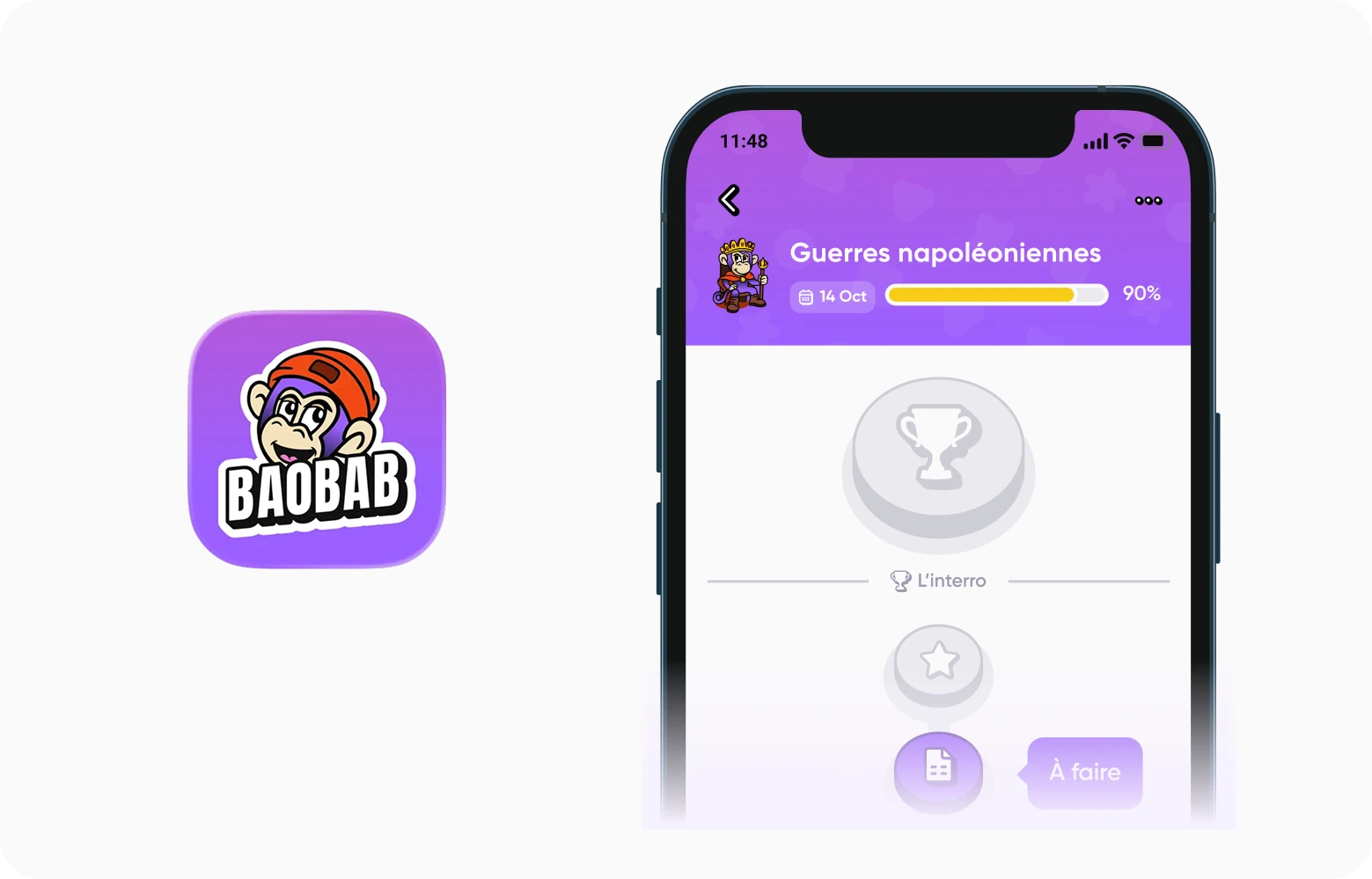
Your child scans their teacher's lesson, and the app turns it into a quiz and flashcards. It's not generic content that creates extra work—it's their own lesson, the one they'll be tested on.
With InterroBao, students answer open-ended questions orally or in writing. By the end, they know exactly what they’ve mastered and what they still need to review. Anxiety-inducing uncertainty gives way to a simple and reassuring assessment.
He studies on his own, earns Babz and cards, and goes back to it on his own. And you can breathe a sigh of relief: no more need to play the role of the “evening examiner”—a role that stresses out both parents and children alike.
The best thing you can give a child who’s stressed about going back to school is a start to the year where they feel capable. Download Baobab, scan the first lesson of the year, and let them prove to themselves right from the first week that they know the material. The confidence they gain in September fuels them throughout the entire year.


A father of two, Adrien began his career in digital marketing before specializing in the development of consumer mobile apps, particularly in Asia. Passionate about education and digital technology, he went on to co-found Baobab Labs.
Yes. Back-to-school jitters affect most children: restless sleep, irritability, and a knot in the stomach during the last few days of August. They peak the night before the first day of school and then disappear within one to two weeks, as the child gets back into the swing of things. It’s the persistence of these feelings beyond a few weeks that warrants attention, not the fact that they exist.
Listen to their concerns without downplaying them, help them get back into a regular sleep routine a few days beforehand, work together to get the practical details ready (school bag, commute), and avoid phrases that shut down the conversation, such as “No, it’ll be fine.” Simply acknowledging the stress (“It’s normal to feel nervous”) can already help ease it.
Si les maux de ventre reviennent régulièrement au-delà de deux à trois semaines après la rentrée, surtout le dimanche soir ou le matin, il peut s’agir d’anxiété scolaire plutôt que d’un simple trac. Parlez-en au professeur principal et à votre médecin si les signes physiques persistent.
The trend. Stress related to the start of the school year peaks before the first day and then subsides within one to two weeks. School-related anxiety persists or worsens: avoiding school, recurrent crying, and persistent physical symptoms. It affects about one in four middle school students and can be effectively managed when identified early.
This stress usually stems from uncertainty: the student doesn't know if he or she knows the answer. The most effective solution is to take the test with the textbook closed, rather than reviewing it beforehand. A child who answered questions about the lesson correctly the day before approaches the test with confidence based on concrete knowledge.
Temporarily, yes: a stressed-out child sleeps less well and has trouble concentrating. That’s one more reason to put September grades into perspective—they reflect how well a child has adjusted rather than their actual ability level. If grades remain low even after the stress has subsided, you should look instead at the child’s study habits.
Avoid repeating last year’s pattern (“This year, we’re really going to get serious”): Your child needs, above all, a clean slate. Help them get started with small, quick wins: a short daily study routine, preparing for the first tests by practicing on their own, and highlighting every bit of progress. Confidence is rebuilt through action, not words.
Baobab is designed for middle school students, but as the application adapts to each child's lesson, it also works through to high school.
The AI analyzes the lessons to suggest revisions tailored to each level.
With a single subscription, you can add up to 3 children.
Everyone gets their own account and can use Baobab on their phone, with revisions tailored to their level and lessons.
Yes! Baobab's AI analyzes your child's lesson to generate customized revision sheets and quizzes.
The goal: to help them learn more effectively, without wasting time on unnecessary content.
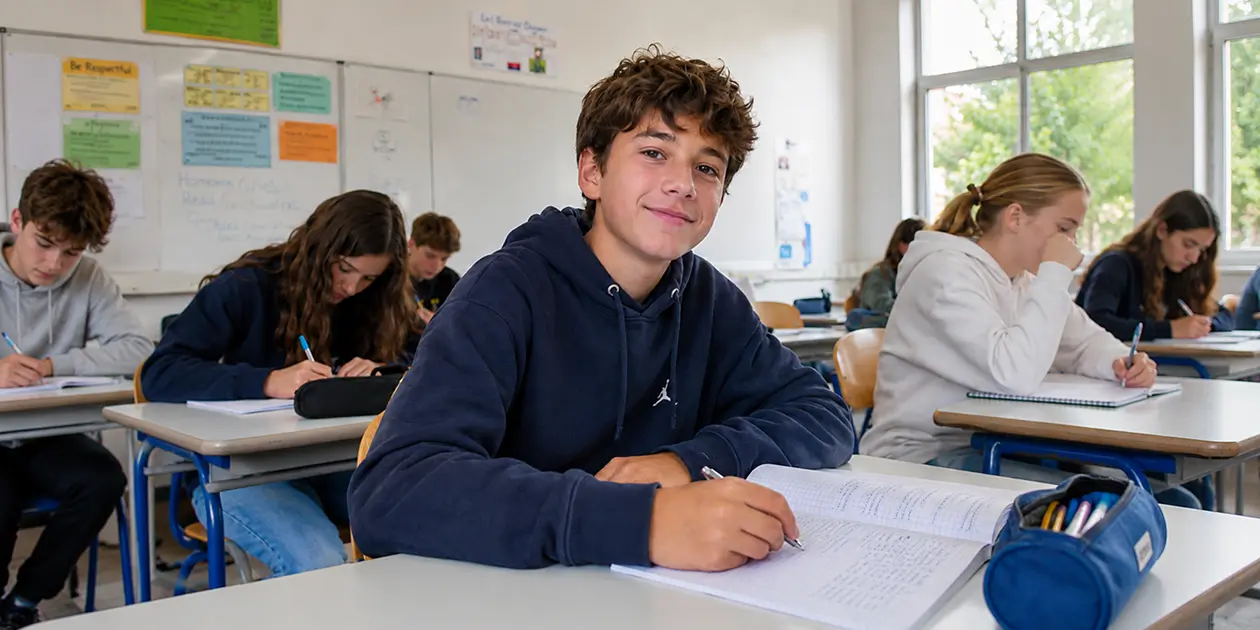
Relire ne suffit pas : la science est claire. Découvrez la méthode en 3 étapes pour apprendre une leçon au collège, et le rôle exact du parent le soir.
Learn more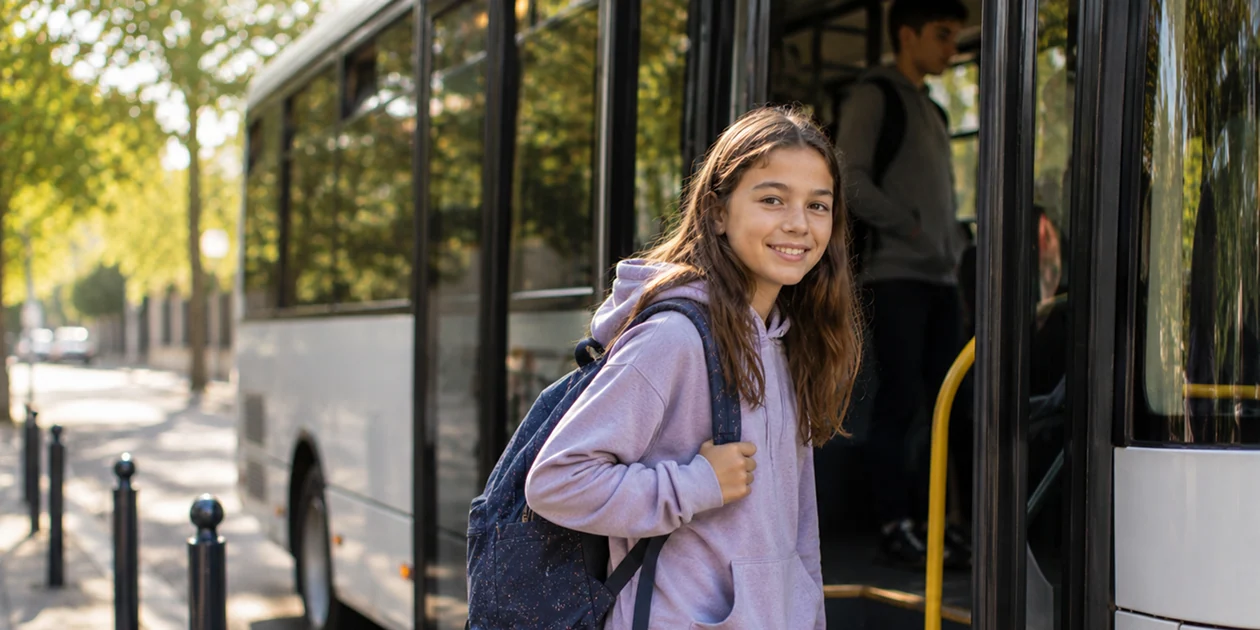
Starting 6th Grade: What Really Changes, Common Fears, and Habits to Establish Starting in September for a Smooth Transition—for Your Child and for You.
Learn more
Not all screen time is created equal. The real question isn’t “how much time?” but “what kind of screen time?” A guide to distinguishing between good and bad screen time.
Learn more